InsightsBusiness technology
When is it time to replace spreadsheets with a business system?
Five signs that your spreadsheets have stopped saving time and started costing it.
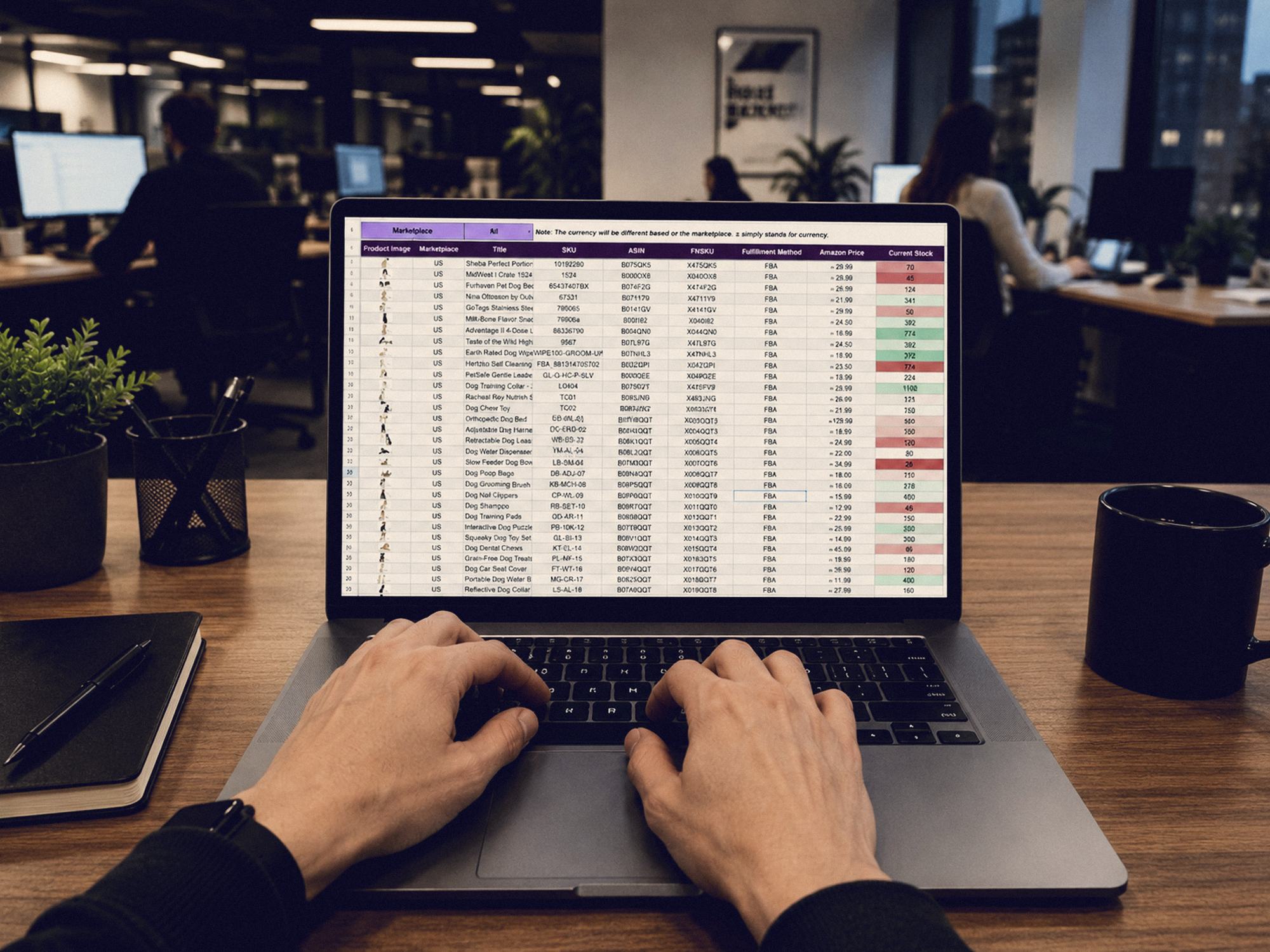
Spreadsheets are where most businesses start, and for good reason. They are flexible, familiar and free. But there is a point where the flexibility becomes the problem, and the business starts working for its spreadsheets instead of the other way round.
01The same data is typed more than once
If an order is entered by sales, retyped by operations and entered again by finance, you are paying three times for one piece of information, with three chances for error.
02Month-end takes weeks
When closing the month means collecting files from several people and reconciling them by hand, leadership is always looking at last month’s picture, too late to act on it.
03Only one person understands the file
If a critical workbook depends on the one colleague who built it, the business carries a risk every time that person is away.
The question is not whether to use a system. It is which process to fix first.
04Approvals happen by email and memory
Purchase requests, leave, discounts: when approvals live in inboxes, nobody can see what is waiting, and nothing can be audited.
05No one trusts a single number
When two reports give two different figures for the same thing, meetings are spent arguing about data instead of deciding what to do.